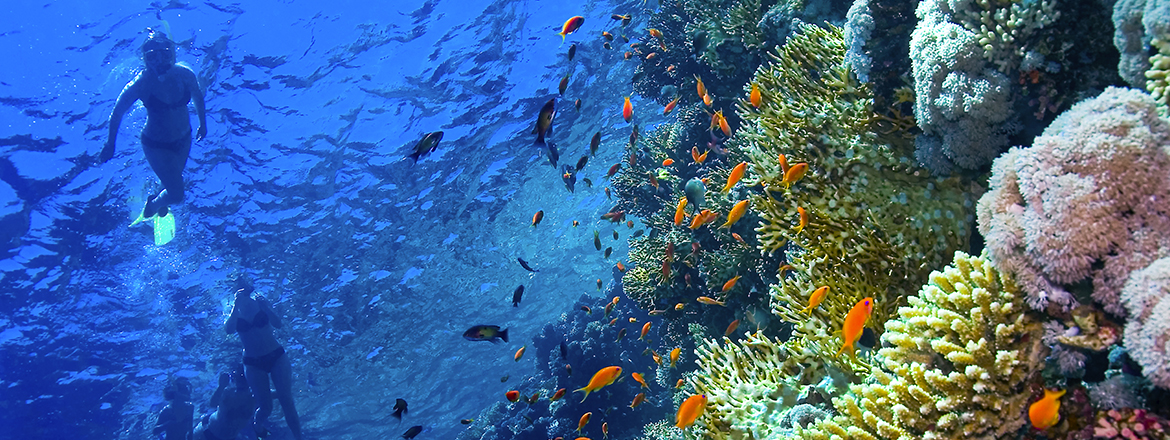
The Maltese Islands attract many visitors who enjoy underwater activities, and top snorkeling & freediving centers help people discover the sea in a safe and organized way. Malta has clear water, rocky coastline, sea caves, and excellent visibility during much of the year. Both beginners and experienced participants can find suitable schools because different centers offer courses, guided sessions, and equipment for various experience levels.
Top Snorkeling & Freediving Centers for Beginners and Experienced Visitors
Malta has several well–known schools that organize underwater activities throughout the year. Many centers work close to popular beaches, sheltered bays, and natural reefs where sea conditions are often suitable for training. Some schools focus mainly on freediving, while others combine snorkeling, scuba diving, and underwater education.
When selecting a center, visitors often compare instructor qualifications, available courses, equipment quality, group size, and access to different dive locations. Learning in small groups usually allows instructors to provide more individual attention during practical sessions.
What to Consider Before Choosing a Center
Before joining a snorkeling or freediving program, several points should be considered.
- Check whether courses match your current experience level
- Confirm that instructors hold recognized certifications
- Learn which equipment is included during training
- Review safety procedures used during water sessions
- Ask about seasonal weather and water conditions
Divers Code Malta
Divers Code Malta is one of the recognized underwater training centers on the islands. The school offers snorkeling experiences together with freediving education for people with different backgrounds. Beginners can learn basic breathing techniques, fin movement, water confidence, and surface safety before progressing to deeper practice.
Training usually combines classroom explanation with practical exercises in calm water. Students develop body position, relaxation, efficient movement below the surface progressively and equalization techniques. In every lesson strong attention is paid to safe buddy procedures because freediving should never be practiced alone.
The surrounding coastline gives instructors different environments to work in. Sheltered bays are good places to learn the basics, but deeper locations allow students to develop their skills further.
Top Snorkelling & Freediving Centers Offering Professional Training
Different schools across Malta follow structured teaching methods based on internationally recognized educational systems. Although course formats may vary, most programs begin with theory before moving into confined water and finally open–water practice.
Innerdive
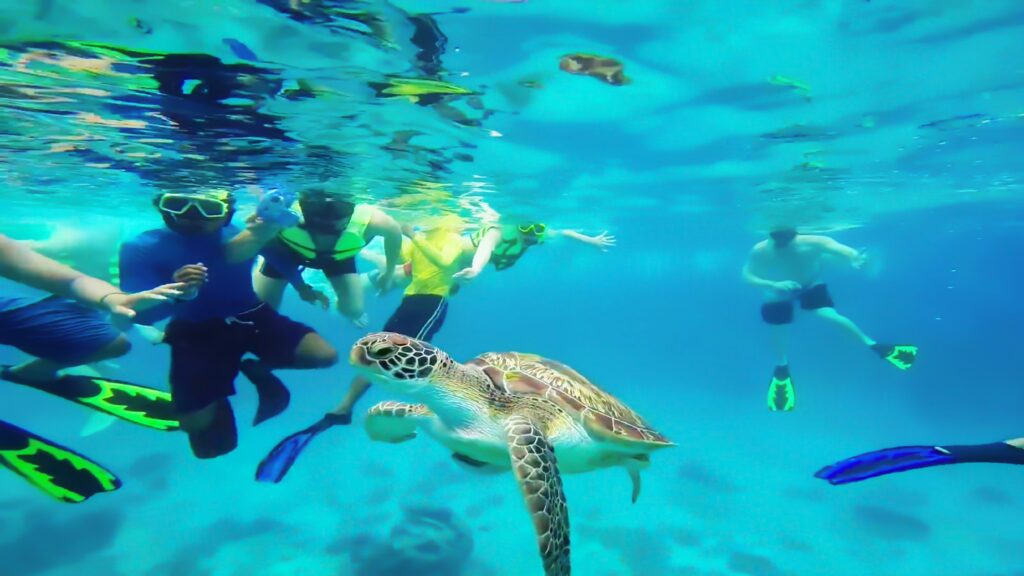
InnerDive specializes in freediving education and breath–hold training. The center welcomes beginners while also offering advanced programs for divers who wish to increase depth, improve relaxation, or refine underwater techniques. Lessons include breathing exercises, equalization methods, rescue skills, and proper body positioning during descent.
Instructors say that success in freediving is as much about mental control as physical ability. Students practice remaining calm, reducing unnecessary movement, and understanding the body’s response to breath–hold dives. The approach is controlled progression as a means to build confidence in the participants without rushing through the training stages.
Besides practical instruction, environmental awareness forms part of many activities. Participants learn how to avoid disturbing marine habitats, maintain good buoyancy near rocky reefs, and respect wildlife while exploring natural underwater landscapes. Responsible behavior supports long–term protection of Malta’s coastal ecosystem and improves the experience for future visitors.
Apnea Total Malta
Apnea Total Malta is part of an international freediving education network. The center provides structured courses for people who want to learn breath–hold diving from the beginning or improve existing abilities. Training usually starts with theory sessions where students study breathing, equalization, safety, and how the body reacts underwater.
Practical lessons continue in confined water before moving into the open sea. This gradual approach allows participants to develop confidence step by step. Instructors monitor every exercise and encourage correct technique instead of focusing only on depth. Many students also practice relaxation because calm movement often helps improve performance during freediving.
The center organizes courses throughout much of the year. Malta’s stable sea conditions and clear visibility create suitable environments for both learning and advanced practice. Experienced freedivers can also join speciality sessions that focus on improving efficiency, technique, and underwater comfort.
Divewise Malta
While Divewise Malta is well–known for their scuba diving, they also run snorkeling and intro underwater experiences. They are ideal for visitors who prefer to stay close to the surface and see the marine life and rocky reefs.
A typical snorkel trip begins with a safety briefing and the donning of equipment. Proper use of masks, fins and snorkels is taught before entering the water. The instructors teach basic strokes and some easy ways to save your energy for longer swims.
Many snorkeling trips visit sheltered bays where visibility is normally excellent. Participants often observe schools of fish, sea bream, octopus, sea stars, and different underwater rock formations. Calm locations also provide comfortable conditions for families and people with limited snorkeling experience.
Dive Systems Malta
Dive Systems Malta offers several underwater activities, including snorkeling experiences for beginners and visitors who want to explore Malta’s coastline without scuba equipment. The center operates near well–known coastal areas that provide easy water access and interesting natural scenery.
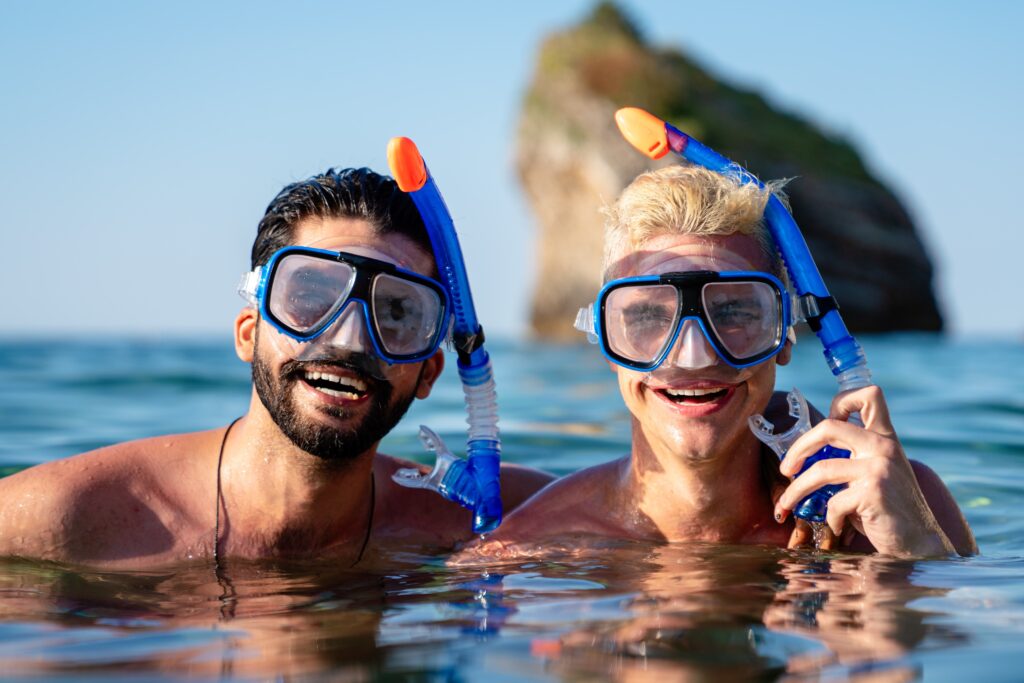
Guided snorkeling sessions focus on safe exploration rather than speed or distance. Instructors explain how to recognize sea conditions, enter and leave the water safely, and respect local marine habitats. Small groups also make communication easier during activities.
Some programs include snorkeling and education about the Mediterranean ecosystem. Participants will learn about common fish species, underwater plants, rocky reefs and why it is important to protect coastal environments. The extra explanations help visitors to get a better understanding of the natural features seen on each hike.
When visitors compare different schools, they usually consider several practical points before making a decision.
- Compare course structure and certification options.
- Check maximum group sizes during training.
- Ask about equipment rental and replacement policies.
- Review the locations used for practical sessions.
- Consider whether snorkeling, freediving, or both activities are available.
It is more important that the center fits your goals than it is popular. Some visitors only want a guided snorkeling trip while others want to complete full freediving certification programs. People know the difference and will choose the training that they feel is most appropriate.
Weather also has an impact on underwater activities around Malta. The wind direction, the waves and the sea currents can influence which sites are suitable on any given day. Professional centers generally choose alternate sites under changing conditions, which helps to maintain both safety and good visibility.
Another point to consider is the quality of the equipment. Properly fitted masks, fins, snorkels, wetsuits and safety equipment enhance comfort and allow participants to focus on learning rather than dealing with equipment issues. Reputable centers do inspect their rental equipment and service it as needed.
Malta offers a range of snorkeling & freediving centres which give visitors various opportunities to discover the Mediterranean Sea. Others are focused on breath–hold education for professionals, others provide guided snorkeling experiences for beginners and families. Together they show the range of underwater activities available on the islands. Under careful instructor guidance, appropriate equipment, respect for marine life, and gradual development of skills, participants learn to enjoy the underwater environment of Malta in a safe way and gain a better understanding of the unique coastal landscape.