
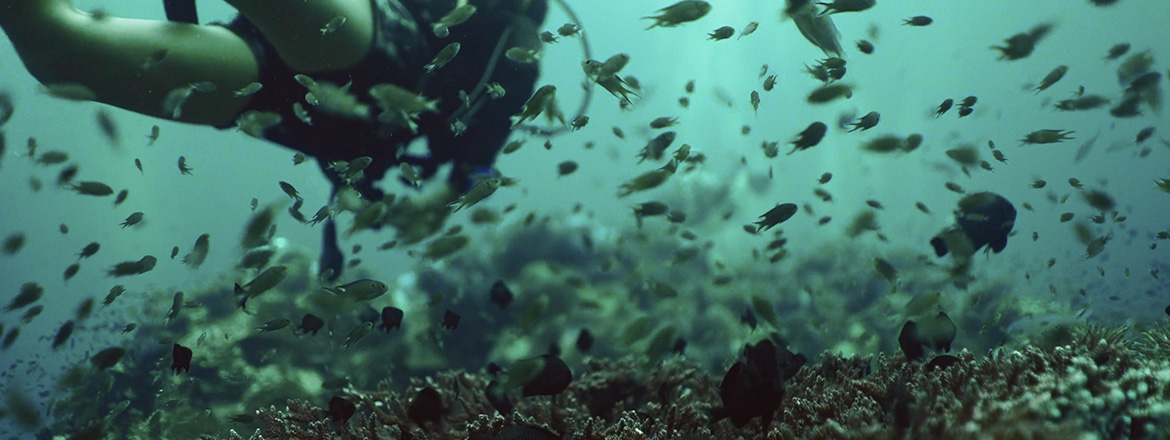
Many travelers choose the Mediterranean for underwater adventures, and diving in Malta is often considered one of the most interesting experiences in Europe. The islands have clear water, rocky coastline, artificial reefs, caves, and many famous wrecks. Divers with different experience levels can find suitable places because some sites are shallow while others need advanced training. Calm weather during much of the year also makes underwater exploration possible in different seasons.
Why Diving in Malta Is Popular Among Divers
Malta is a small island country, but its underwater landscape is very rich. The coastline includes limestone walls, underwater tunnels, reefs, arches, and shipwrecks placed on sandy seabeds. Visibility often reaches more than twenty meters, allowing divers to enjoy wide underwater views and take photographs with natural light.
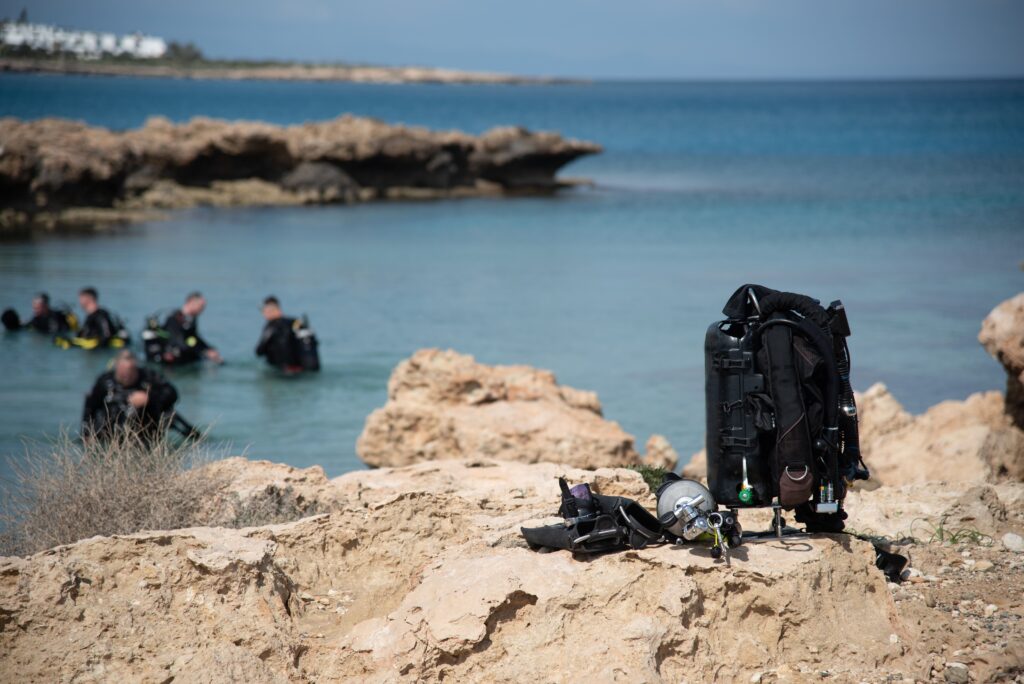
Many dive locations can be reached directly from the shore. This style of diving is common across the islands and allows simple access without using boats. Some entries require walking over rocks or climbing stairs before entering the sea. Because of this basic physical fitness makes every dive more comfortable.
The underwater environment changes from one area to another. Northern sites usually have large rock formations and caves, while southern places are famous for dramatic cliffs and historic wrecks. Around Comino, shallow blue water creates excellent conditions for training dives and underwater photography.
Main Diving Areas Around Malta
Most recreational dives are found in three regions.
- Cirkewwa in the northwest with reefs, caverns, and famous wrecks.
- Zurieq on the southern coast with deep wreck diving.
- Sliema in the northeast with easy shore access and training sites.
Each area offers different conditions. Beginners usually enjoy shallow reefs and protected bays, while experienced divers often choose deeper wrecks with more challenging navigation.
The sea around Malta also supports many Mediterranean species. Divers regularly see octopus, moray eels, cuttlefish, sea bream, damselfish, nudibranchs, and squid eggs attached to underwater structures. During spring, different jellyfish species may also appear. Although marine life is not as dense as in tropical destinations, patient divers often discover surprising animals hidden between rocks or inside wrecks.
Diving in Malta Wreck Sites Worth Exploring
Artificial reefs play an important role in Maltese diving. Several retired ships were intentionally sunk to create safe diving attractions and new habitats for marine organisms. Today these wrecks are covered with algae, sponges, and small sea creatures, making every visit slightly different.
UM El Faroud
The UM El Faroud is one of the best known wrecks around Malta. This former oil tanker was built in 1969 and later prepared as an artificial reef after an explosion ended its working life. Today it rests near Zurieq and attracts advanced recreational divers from many countries.
The wreck is over one hundred meters long and offers several possible routes during different dives. Divers often choose to explore the stern, the bow, or the engine room because each section has unique details. Large propellers, metal pipes, open cargo spaces, and internal rooms create impressive underwater scenery.
Depths usually range between twenty–five and thirty–five meters. Because of these depths, dive planning becomes very important. Air consumption, bottom time and safe ascent should always be monitored carefully. Entering enclosed spaces also requires experience, proper buoyancy control, and guidance from qualified professionals.
Another challenge comes before reaching the wreck itself. Divers normally enter from shore and swim several minutes underwater before arriving at the ship. The return swim is equally long, making good air management necessary from the beginning of the dive.
Marine life adds another interesting element to the experience. Sandy areas around the wreck sometimes hide octopus and rays, while moray eels stay inside rocky holes nearby. Schools of fish move around the structure, and photographers often spend long periods searching for unusual species between the metal beams.
Even after many years underwater, the wreck remains one of Malta’s most photographed dive locations because of its enormous size and preserved structure. Different light conditions during the day also create new opportunities for underwater images.
The combination of history, engineering, and marine growth makes this site attractive for divers who enjoy long exploratory dives instead of short underwater visits. Many experienced visitors return several times because seeing every section during one dive is almost impossible.
P29, Rozi, P31 and Tugboat II
The P29 patrol boat is another famous wreck near Cirkewwa. Before becoming an artificial reef, it served as a patrol vessel. Today it stands upright on a sandy bottom at about thirty–six meters. The wreck is smaller than UM El Faroud, but its clean shape allows divers to swim around the entire structure during one dive. The bow is especially popular for underwater photography because it rises clearly above the sand.
Close to the P29 lies the Rozi tugboat. This wreck was intentionally sunk in 1992 and has become one of the classic dive sites in Malta. Although its engine was removed before sinking, the vessel still keeps many recognizable features. A separate anchor resting on the seabed nearby is often photographed together with the wreck. Divers sometimes discover monkfish, squid eggs, and different bottom species while crossing the sandy area between the anchor and the ship.
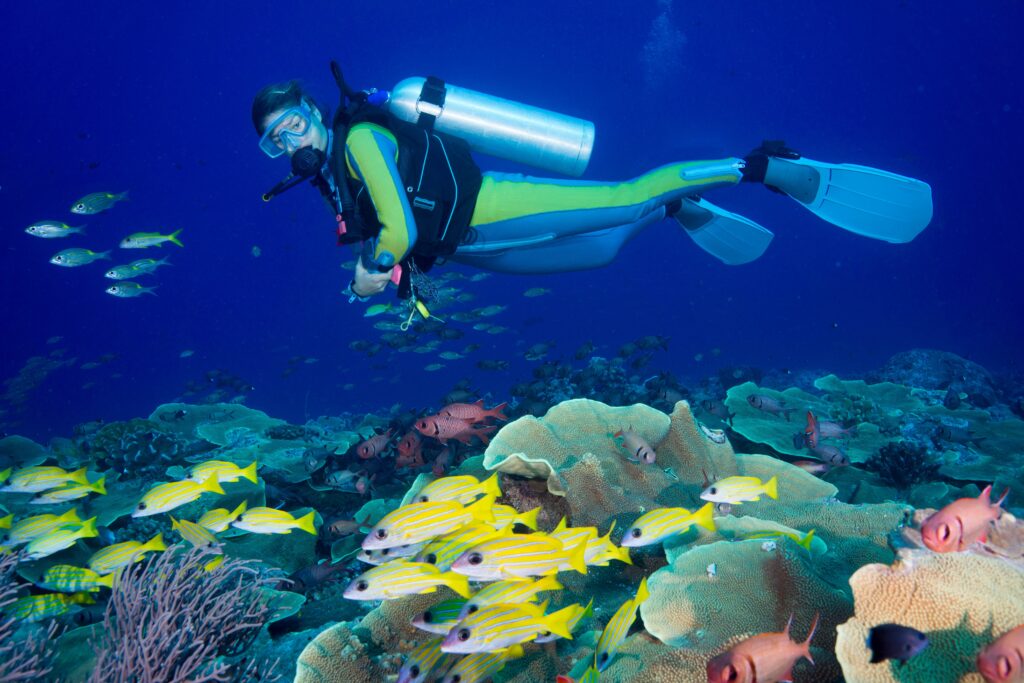
For less experienced divers, the P31 near Comino offers a different experience. The wreck rests at about eighteen to nineteen meters, allowing much longer bottom times. Boat access removes the long surface swim required at many shore sites. Good visibility and calm conditions make the location suitable for underwater training, photography, and first wreck exploration.
Another shallow wreck that is visited by beginners and training groups is the Tugboat II near Sliema. The vessel is only around thirty meters long, but it sits on an attractive reef surrounded by seagrass. The metal structure often hosts small fish, octopus and colorful sea slugs. The majority of dive sites have a maximum depth of around twenty meters, so divers usually have plenty of time to explore each area without feeling rushed.
Wrecks are different with different experiences and each wreck needs suitable preparation before you get in the water.
- Check depth limits and required certification before selecting a dive site
- Plan air consumption, navigation, and return swimming distance
- Maintain good buoyancy to avoid damaging marine life or reducing visibility
- Respect wreck penetration limits unless properly trained
- Follow local safety procedures and dive with a qualified guide when necessary.
Beyond the wrecks, Malta also offers natural underwater attractions. Limestone cliffs continue below the surface and create swim–throughs, arches, caverns, and narrow passages. These geological formations were shaped naturally over thousands of years and now support many Mediterranean species.
Equipment requirements are generally similar to other Mediterranean destinations. Most recreational divers use a single cylinder, buoyancy compensator, regulator, dive computer, and exposure suit. Dive computers are especially useful because many Maltese wrecks are close to recreational depth limits where no–decompression time changes quickly.
Diving in Malta continues to attract underwater enthusiasts because it combines history, geology, accessibility, and reliable visibility in one destination. From advanced wreck exploration at UM El Faroud to relaxed dives around the P31 or Tugboat II, the islands present many opportunities to experience different underwater environments. Careful planning, respect for safety procedures, and protection of the marine ecosystem help preserve these dive sites so future visitors can enjoy the same remarkable underwater landscapes.