This is a site dedicated to snorkeling, freediving, and scuba diving in Malta. The content is dedicated to the underwater world of Malta, Gozo, and Comino and contains educational articles about marine environments, popular dive sites, coastal landscapes and underwater recreation. All topics are explained in a clear and informative way, making it even easier to understand the natural features and underwater attractions of the Maltese Islands.
What You Can Find Here
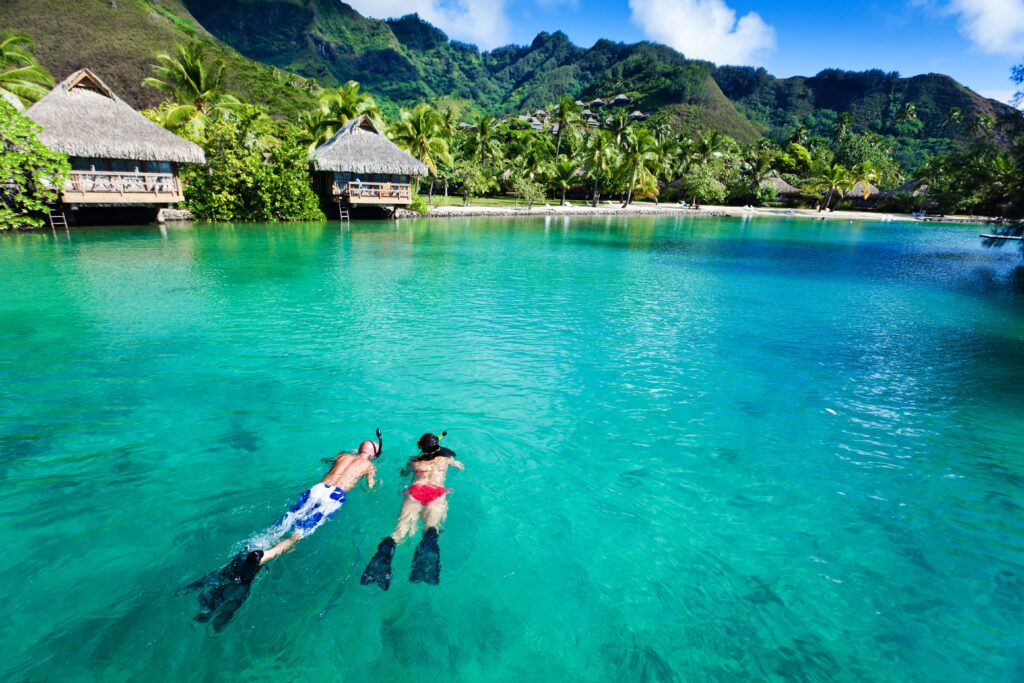
The articles describe the characteristics of snorkeling, freediving and scuba diving, showing how these activities differ and what makes each one unique. It includes natural reefs, underwater caves, rocky shores, artificial reefs, and historic shipwrecks that have become an important part of Malta’s underwater scene.
Various guides describe popular dive sites around the islands and explain what they are like underwater, the usual depth, visibility and level of difficulty. Some spots are suitable for beginners with placid conditions and simple access; other spots are better known for deep wrecks, caves, or more challenging underwater navigation.
Information on the seasonal conditions in the Mediterranean Sea is also given. Water temperature, visibility, weather and sea conditions, which change through the year, affect snorkeling, freediving, and scuba diving. These articles are written to explain these differences and give a wider understanding of the underwater environment of Malta.
The content includes information about:
- Popular diving, snorkeling, and freediving locations.
- Shipwrecks, reefs, caves and underwater rock formations.
- Mediterranean marine life and coastal ecosystems.
- Basic equipment and underwater safety.
- Natural attractions around Malta, Gozo, and Comino.
Topics Covered Across the Site
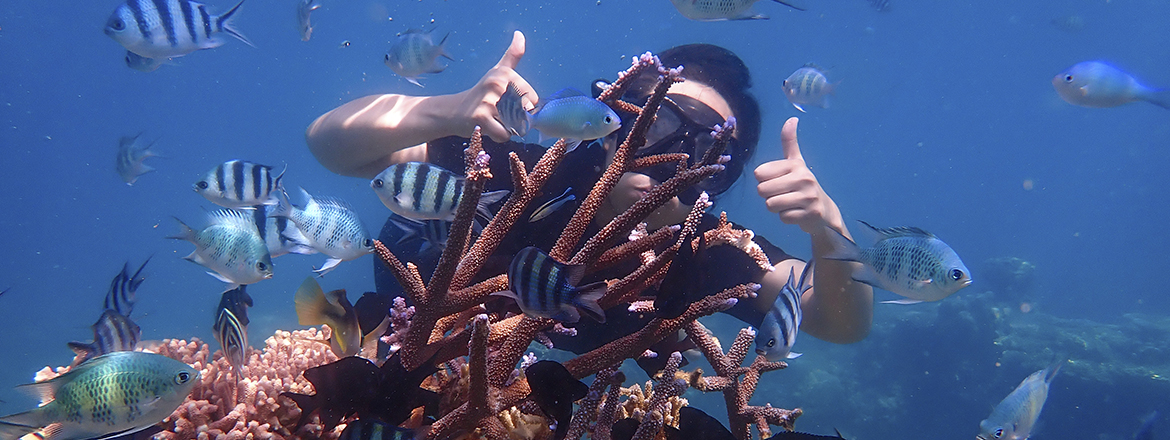
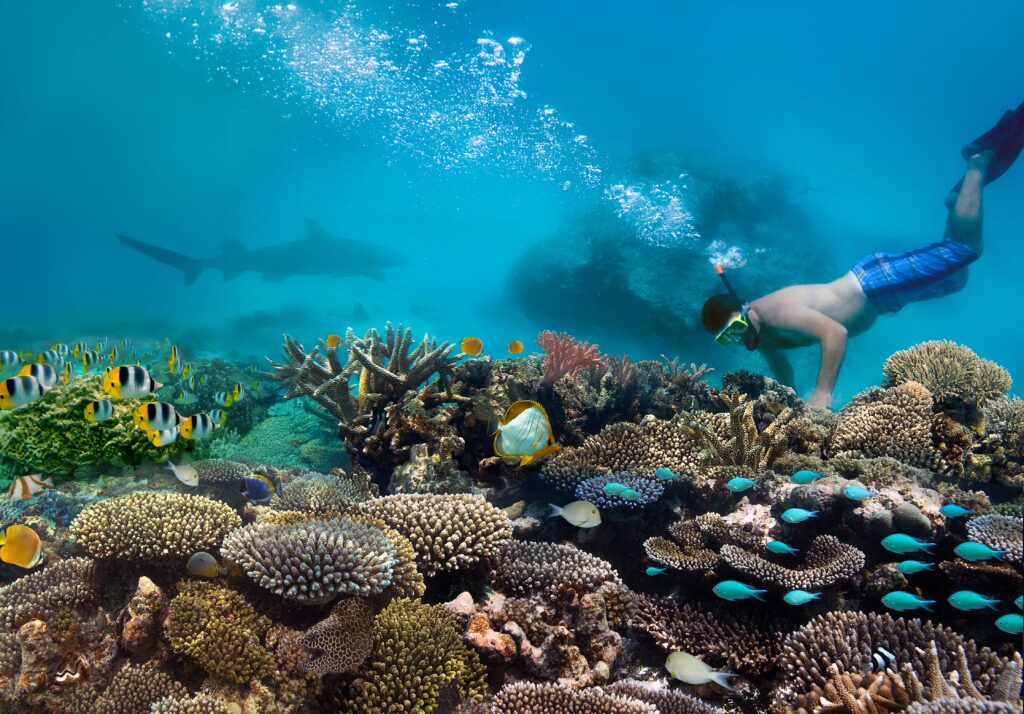
Special attention is given to marine life living around the Maltese Islands. Articles introduce common Mediterranean fish, octopus, moray eels, cuttlefish, nudibranchs, sea stars, and many other species that can be observed underwater. Several guides also explain the role of Posidonia seagrass meadows, rocky reefs, and other habitats that support marine biodiversity.
Another set of papers deals with underwater geography. The underwater landscape is varied, with limestone cliffs, arches, tunnels, caverns, reefs, and sandy seabeds and attracts visitors all year round. Natural formations are described with their geological characteristics and recreational significance.
Educational content also includes information on snorkeling and freediving centers in Malta. The articles do not advertise individual companies but give objective information about their training activities, specializations, and educational programs. This way the reader gets to know the different possibilities for learning underwater on the islands.
There are several pages on common diving terminology, buoyancy, equalization, underwater navigation, visibility, and responsible behavior at sea. These topics provide some background knowledge for visitors to Malta who want to understand underwater activities prior to visiting Malta or to learn more about the local marine environment.